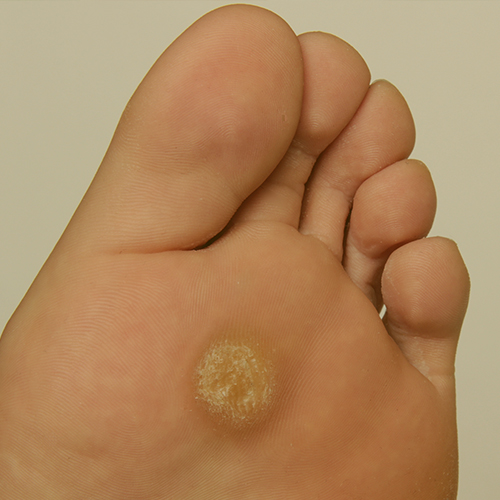

Onychomycosis — a fungal infection of the nail plates — is one of the most common diagnoses in podology. According to statistics, it affects every fifth adult. However, many people notice the problem too late, as nail changes develop slowly and are often mistaken for a cosmetic issue in the early stages. In this article, we explain how to recognize nail fungus, why it requires professional treatment, and what modern therapeutic approaches are used in clinical practice.
What Is Onychomycosis
Onychomycosis is a fungal infection of the nails, most commonly caused by dermatophytes (such as Trichophyton rubrum), and less frequently by yeast or mold fungi. The infection may affect one or several nails and can spread to the skin of the feet.
Fungal infections are transmitted through contact. The most common sources of infection include:
- Swimming pools, baths, saunas, and gyms
- Sharing slippers, towels, or manicure tools
- Non-sterile pedicure salons
Symptoms of Nail and Foot Fungus
Onychomycosis develops gradually. Early changes are subtle and easy to miss. Key symptoms include:
- Nail discoloration — yellow, brown, white, or sometimes greenish tones
- Thickening of the nail plate
- Crumbling, splitting, and brittleness of the nail
- Separation of the nail from the nail bed
- Itching, peeling, and cracks between the toes and on the soles
- Unpleasant odor
In advanced cases, complete nail deformation or loss may occur. Foot fungus (skin mycosis) may also present with peeling, burning sensations, and moisture between the toes.
Risk Factors: Who Is at Higher Risk
The risk of developing onychomycosis increases in cases of:
- Diabetes mellitus and impaired peripheral circulation
- Immunodeficiency conditions
- Long-term use of antibiotics or corticosteroids
- Active sports participation (closed, moist footwear)
- Age over 60
- Poor hygiene in public spaces
Treatment Methods for Onychomycosis
Hardware Treatment by a Podologist
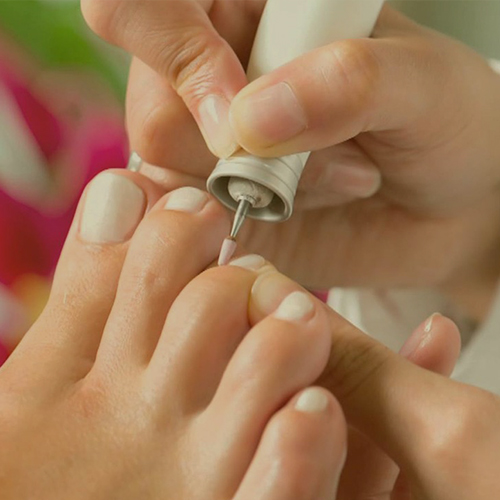
The first step is mechanical removal of affected nail areas using specialized devices. This:
- Reduces fungal load on the tissue
- Improves penetration of topical medications
- Enhances treatment effectiveness
Drug Therapy
Depending on the stage and type of infection, treatment is selected in collaboration with a dermatologist:
- Topical antifungal lacquers and solutions — for early-stage infections
- Systemic antifungal medications (tablets) — for advanced cases
- Combination therapy — both local and systemic treatment
Laser Therapy
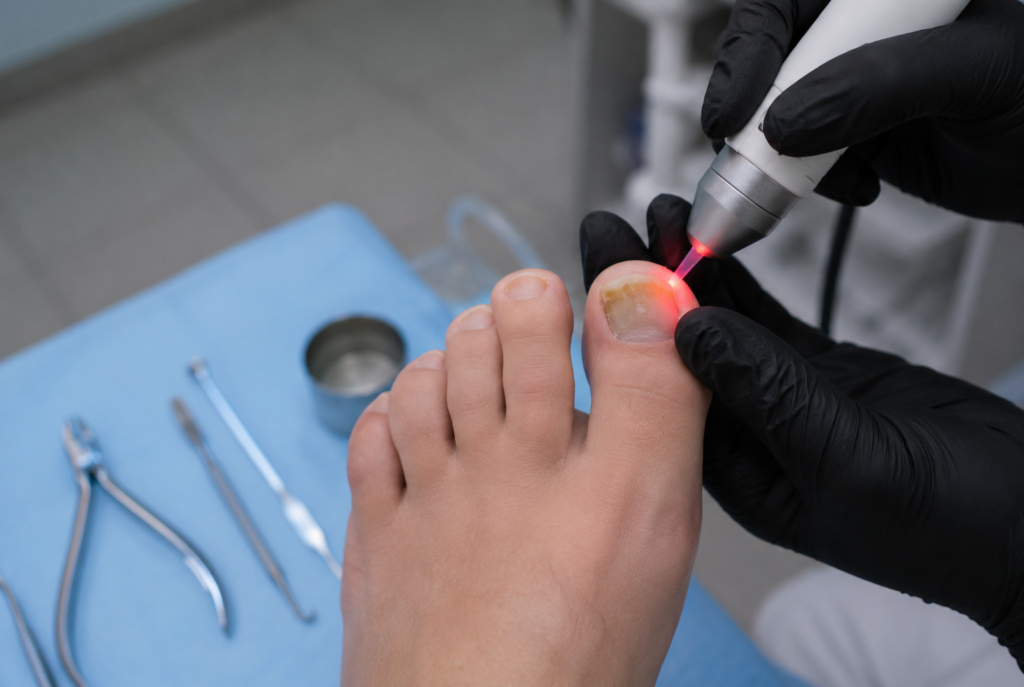
Laser treatment is increasingly used in modern practice. The laser penetrates the nail plate and destroys pathogens without damaging surrounding tissue. It is minimally invasive, requires no downtime, and is generally well tolerated.
Laser therapy is usually combined with topical antifungal treatment for optimal results.
Prevention of Foot and Nail Fungus
Most infections can be prevented by following simple rules:
- Always wear personal slippers in pools, saunas, and gyms
- Do not share manicure tools or footwear
- Dry feet thoroughly after showering, especially between the toes
- Wear breathable, natural-material shoes
- Visit only clinics and salons that follow proper sterilization protocols
- Disinfect footwear after recurrent infections
FAQ: Nail Fungus
How long does treatment take?
Treatment may last from several months to a year, depending on the severity. Nails grow slowly, so results are evaluated over time.
Can I wear nail polish during treatment?
No. Decorative nail coatings block medication penetration and create a favorable environment for fungal growth.
Is nail fungus contagious within a family?
Yes. It can spread through shared towels, slippers, or bathrooms. If one family member is diagnosed, others should be checked preventively.
Do home remedies help?
Folk remedies may reduce symptoms but do not eliminate the infection. Without proper antifungal therapy, the disease continues to progress.
Are preventive antifungal polishes effective?
Special antifungal lacquers can be used for prevention. The exact regimen should be determined by a podologist after examination.
Foot fungus is often associated with other conditions: it may contribute to cracked heels, accelerate ingrown nails, and complicate treatment in patients with circulatory disorders. Therefore, a comprehensive podological consultation is recommended. At Medest Clinic, you can book an appointment with a podologist and receive a full foot health assessment in one visit.